
 Slick +
 Slick Pro
 H2O
H2O Player
 Top Gun
 Junior
 Hover
Hover Phantom
 New Star
 Segway Ninebot Gokart Pro 2

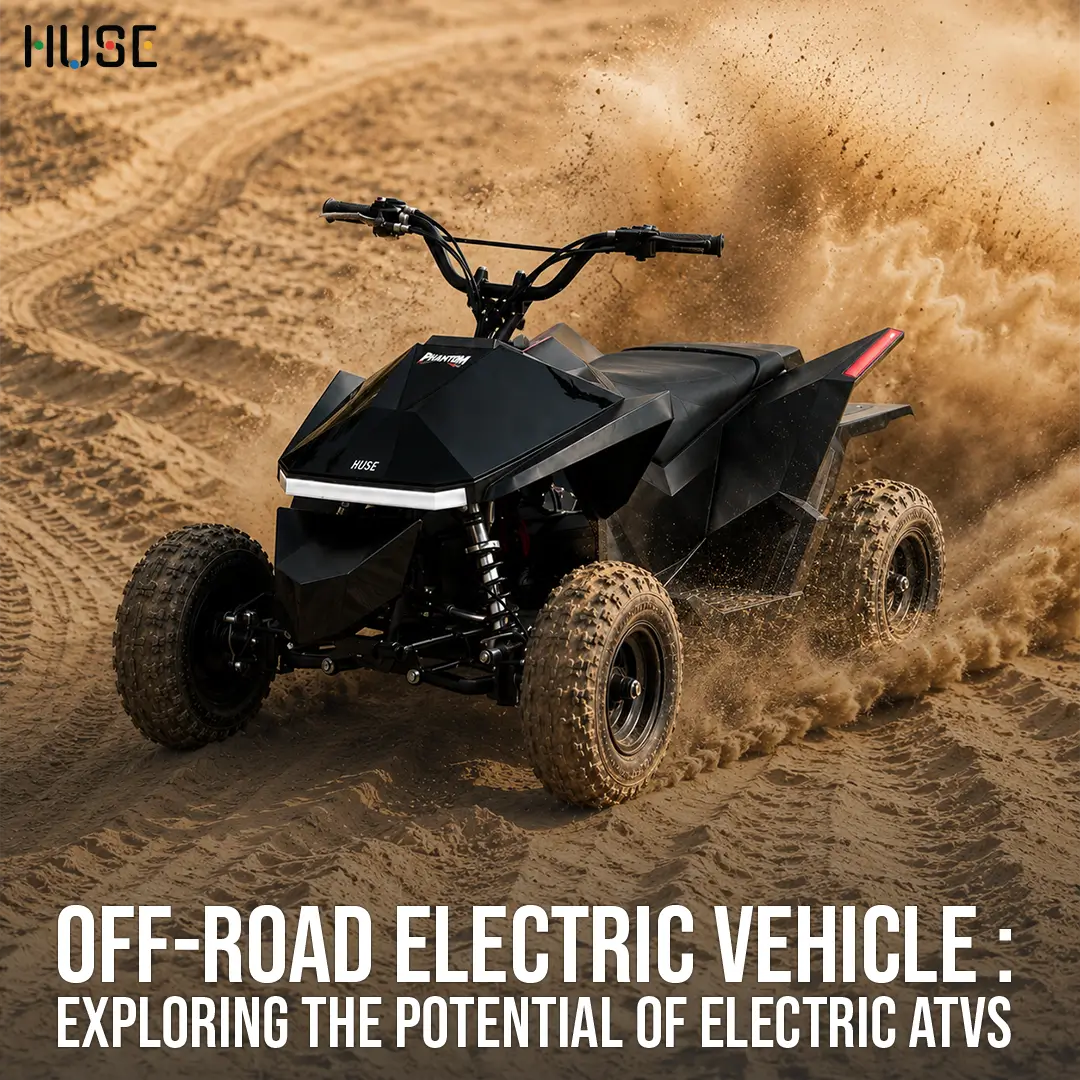
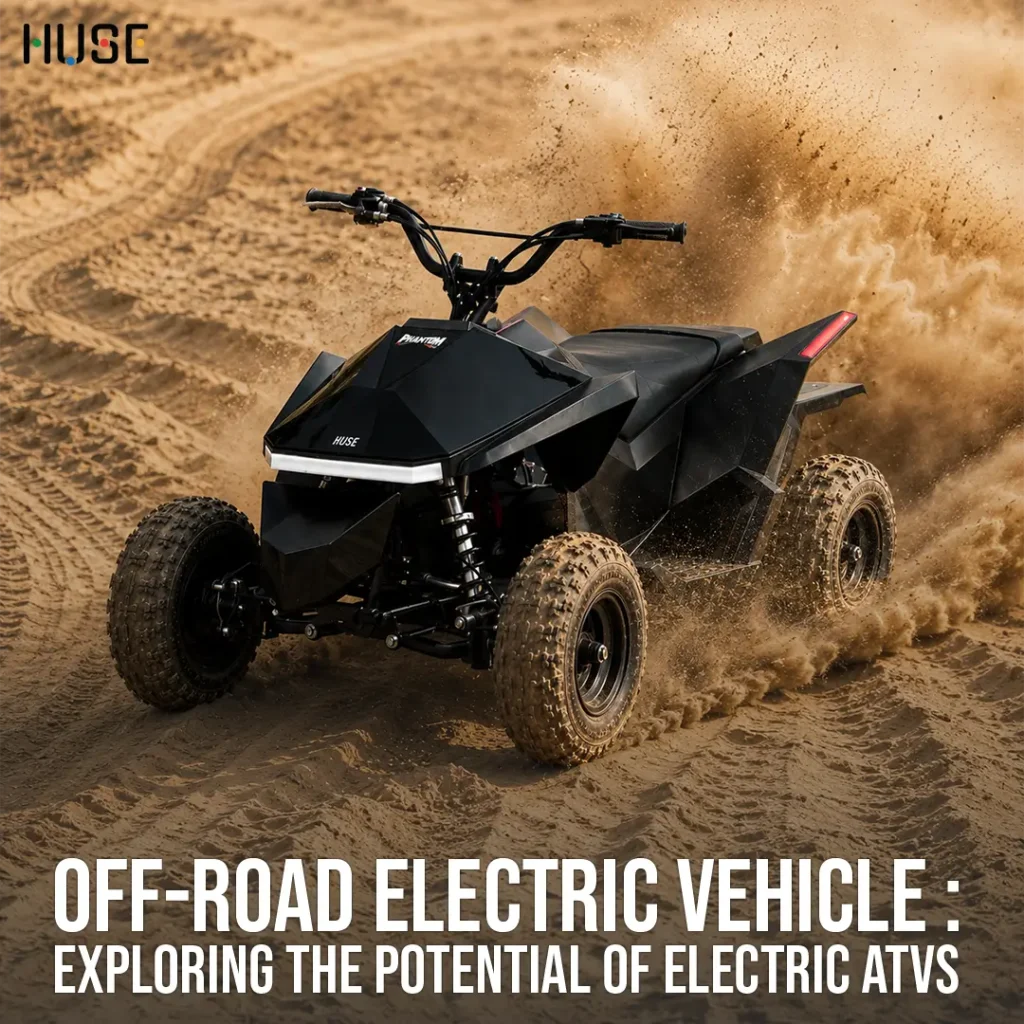
Off-road rides used to mean fuel stops, engine noise, and regular trips to the mechanic. That’s shifting fast. An off-road electric vehicle now offers instant torque, a quieter ride, and far less upkeep than a petrol ATV ever did. Riders in recreation, agriculture, and even light industrial work are noticing. So what’s actually driving this shift, and where’s it headed?
Off-Road Electric Vehicle – Exploring the Potential of Electric ATVs
Electric ATVs aren’t a niche experiment anymore. Battery tech has matured enough to handle rough trails and steep climbs without constant recharging breaks.
The old trade-off, less power for a quieter ride, is closing fast. That’s exactly why more riders are giving electric ATVs a real look this year.
What Makes an Electric ATV a Practical Choice for Off-Road Adventures?
Battery-powered off-roading isn’t a novelty anymore; it’s genuinely competitive. Here’s what an off-road electric vehicle brings to the table.
1. Key Features That Set Electric ATVs Apart
A few things usually separate a good electric ATV from an average one.
- ● Immediate torque for fast accelerations on slopes
- ● Few moving parts, therefore fewer parts to fail
- ● Silent engines that won’t startle animals and people
- ● Cheaper to operate than continuously buying gas
2. Performance Across Different Terrain Types
Electric motors supply power immediately when you turn the throttle; there is no delay because you do not have to wait for revs to come up. That gives riders sharper control on gravel, mud, and inclines than most petrol engines manage. A lower center of gravity also helps cut rollover risk on uneven ground. In a well-designed Phantom electric bike, these characteristics combine to provide increased traction, stability, and control on off-road surfaces.
3. Battery Life and Charging Considerations
Battery capacity decides how long a ride lasts before you need to plug in. The Huse Phantom‘s 12000mAh pack, for instance, is built to keep longer rides going without constant stops. Charging speed varies by model, though, so it’s worth checking before you buy.
4. Safety and Maintenance Benefits
Fewer moving parts simply means fewer things that can fail mid-ride. Features like precision braking also add real confidence on loose descents. Put together, electric ATVs tend to need noticeably less routine upkeep than petrol models.
How to Choose the Right Off-Road Electric ATV
Picking the right off-road electric ATV model isn’t just about top speed or price. A few checks make the decision much easier.
◉ Off-Road Electric ATV – Key Features to Look For
Start with battery capacity, motor power, and payload against your actual riding needs. Tyre type and suspension travel matter too, since they shape handling on rough ground. Not every off-road electric ATV built for casual trails will hold up on rockier terrain.
◉ Compare Motor Power and Battery Capacity
Motor power and battery capacity are what define how the model handles itself when it is on hills, heavy objects, and long distances.
| Rider Type | Suggested Motor Power | Battery Guidance |
|---|---|---|
| Kids/beginners | Under 1000W | Smaller capacity, shorter range |
| Casual adult riders | 500W–2000W | Mid-range battery for daily use |
| Serious off-road riders | 2kW and above | High-capacity packs for extended trails |
◉ Suspension, Tires, and Terrain Capability Evaluation
A good suspension system ensures that all four tires stay connected to the ground on rough terrain. An ATV electric bike with good suspension and all-terrain tires will give better traction and stability on rough terrain. Together, they shape ride comfort just as much as raw motor power does.
◉ Consider Safety Features and Build Quality
Reliable braking isn’t optional when you’re riding fast on unpredictable ground. Sturdy alloy or steel components add real durability over time too. At the end of the day, build quality decides whether an ATV holds up after months of regular use.
Are Electric ATVs the Future of Sustainable Off-Road Mobility?
The real question isn’t whether electric ATVs work; it’s how big this shift becomes. Current trends already point to a fairly clear answer.
◉ Environmental Benefits Compared with Traditional ATVs
Electric all-terrain vehicles emit no exhaust emissions, in contrast to petrol-driven ATVs, which generate carbon dioxide and particulates. The less noisy engines also reduce sound pollution in the vicinity of animals and recreational areas. Riders get the same thrill, just with a smaller footprint.
◉ Technological Advancements Driving Adoption
Battery energy density keeps improving, and that directly extends range per charge. Faster charging is slowly closing the convenience gap with gasoline refuelling too. As manufacturers keep investing, performance keeps trending upward year after year.
◉ Growing Applications in Recreation, Agriculture, and Industry
Recreational riders aren’t the only ones on board anymore. Farms use electric ATVs for utility work, and security teams like their quiet operation. The global electric utility vehicle market is on track to hit USD 29.07 billion by 2030, growing at a 6.7% CAGR, according to Grand View Research.
◉ Challenges and Future Opportunities
Range and charging access are still real limitations on longer off-road trips. That said, India’s electric two-wheeler market alone is projected to grow at a 28.2% CAGR through 2034, per IMARC Group, which says a lot about where battery-powered mobility is headed. As costs drop and infrastructure catches up, these gaps should close faster than most people expect.
Why Choose Huse Co for an Off-Road Electric Vehicle?
Picking the right off-road electric vehicle really comes down to battery reliability, safety, and build quality suited to real trail conditions, not just the numbers on a spec sheet.
Huse Co. is where we design electric vehicles meant for performing above the road. With our Phantom model, you get a battery with the amazing capacity of 12000mAh, very good brakes, and all-terrain tires. All set for your trip to the challenging terrains. Experience the true meaning of being all-terrain in electric vehicles today.
FAQs
1. What are the benefits of choosing an off-road electric vehicle over a traditional ATV?
An off-road electric vehicle runs quieter, needs less upkeep, and gives you instant torque compared to petrol models. No fuel stops either, which makes longer rides a lot easier to plan.
2. Why is the Huse Phantom fit for off-road rides?
The Huse Phantom has a 12000 mAh battery, a perfect braking system, and can hold up to 70 kg. This makes the Huse Phantom resistant to different terrains.
3. What is the performance of a Phantom electric bike on rough terrain?
A Phantom electric bike rides rough terrain smoothly because of good brakes and a strong structure. The riders have steady control despite changes in the surface.
4. What should I consider before buying an ATV electric bike?
There are several things to think about when you decide on purchasing an ATV electric bike. It is equally important to consider the quality of construction and service support along with specifications.
5. What are the comparisons between electric ATVs and petrol ATVs when talking about long-term usage?
Electric ATVs will most likely be more economical to operate over time because of the lack of fuel and reduced wear on the parts. Petrol models still win on range, but that gap keeps shrinking as battery tech improves.