
 Slick +
 Slick Pro
 H2O
H2O Player
 Top Gun
 Junior
 Hover
Hover Phantom
 New Star
 Segway Ninebot Gokart Pro 2

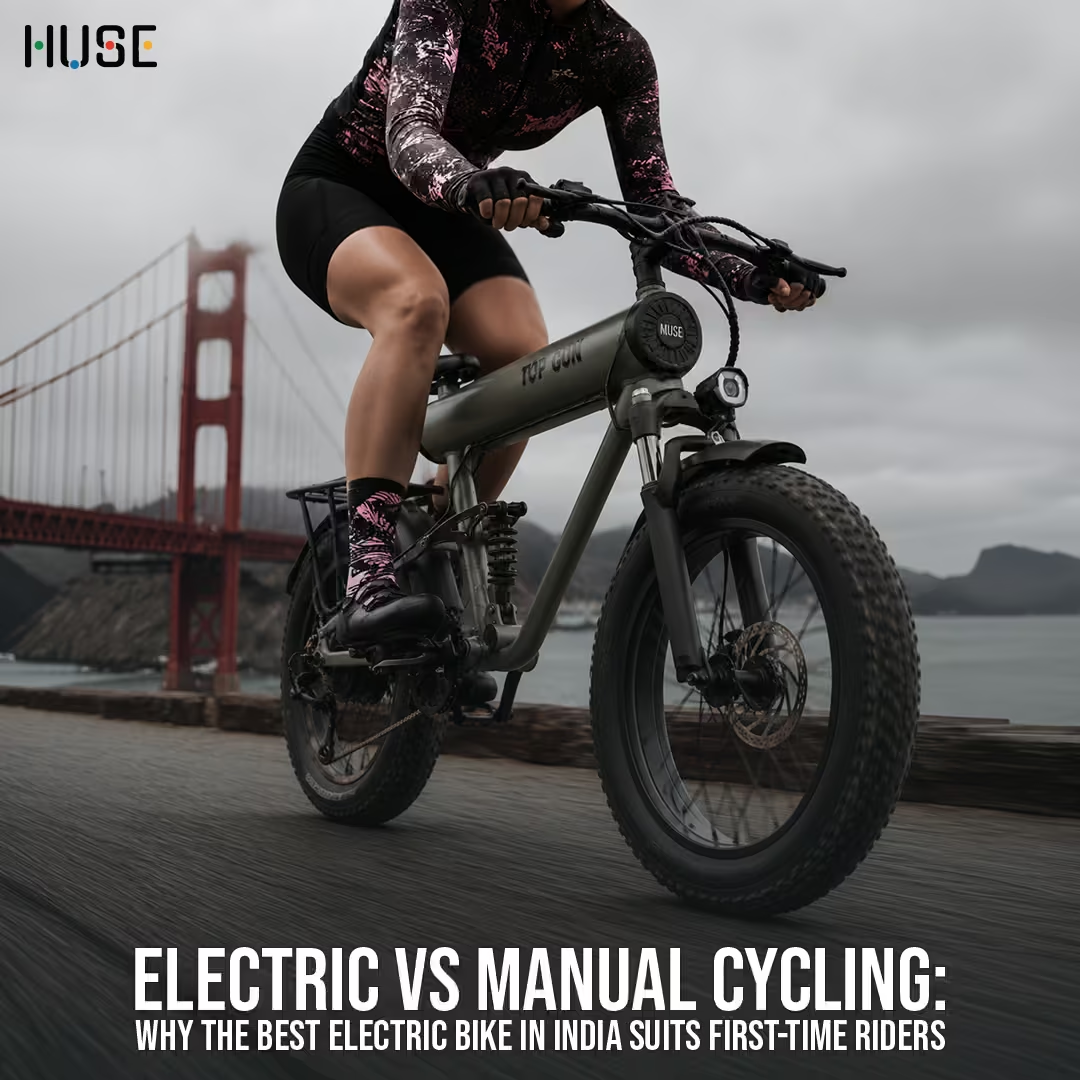
Buying your first two-wheeler is rarely simple, especially with so many models competing for attention right now. Riders moving away from pedal power or petrol scooters usually want one thing above all; something that works reliably every single day. That question gets harder to answer once battery range, charging habits, and running costs enter the conversation. This guide walks through what actually makes the best electric bike in India a smart pick for beginners and for businesses buying in bulk, too.
How the Best Electric Bike in India Helps First-Time Riders
Most people picking up their first e-bike worry about the same thing; losing balance or fumbling with controls they don’t understand yet. An electric bike takes that pressure off since there’s no clutch, no gear shifting, and no kick start to fight with. You twist the throttle, the bike moves, and confidence builds faster than most riders expect. That simplicity is really what makes the best electric bike in India feel approachable, even for someone riding completely solo for the first time. The motor also behaves differently from a petrol engine, delivering power in a way that feels smoother rather than jerky. This makes it easier for new riders to gauge their speed and know when to brake. A shaky first ride of new electric bikes tends to turn into a comfortable daily habit within a week or two.
E Bike vs Pedal Bike for First-Time Riders and Everyday Cycling
The e bike vs pedal bike debate usually comes down to effort, speed, and how each one fits into a rider’s actual day. Neither is wrong exactly; it just depends on the distance you’re covering and how much physical work you’re willing to put in.
◉ Pedal Assistance for Easier Riding and Better Confidence
Pedal-assist takes the edge off tough stretches, especially uphill. Riders still pedal and still build some skill; the motor just makes the whole thing less exhausting.
◉ Manual Cycling for Building Strength and Riding Endurance
A regular cycle asks more of your legs, and that’s the point for many riders chasing fitness. But that same effort can put people off, particularly on a hot afternoon or a long commute home.
◉ Comfort and Control for New Riders on Different Routes
Electric bikes tend to feel steadier at low speeds, which helps nervous riders through busy streets. Wider tyres and a more upright seat also mean less soreness after a long ride.
◉ Speed, Stability and Handling Across Different Riding Conditions
An electric motor keeps pace even when the wind picks up, or the road tilts uphill, something a pedal bike simply can’t match. That consistency matters a lot during monsoon season or on the uneven roads common across Indian cities.
◉ Choosing Between an E Bike and Pedal Bike for Training and Daily Use
Someone training for fitness will probably still lean toward a manual cycle, extra effort and all. A daily commuter usually cares more about saving time than burning calories.
| Factor | Electric Bike | Pedal Bike |
|---|---|---|
| Effort required | Low, motor-assisted | High, fully manual |
| Speed consistency | Steady across terrain | Depends on rider strength |
| Fitness benefit | Limited | High |
At the end of the day, it comes down to how far you’re going and how much effort feels realistic for you.
DC Fast Charging and Reduced Downtime for Commercial Electric Fleets
Fleet owners don’t really care about first impressions; they care about how fast a bike gets back on the road. DC fast charging plays a big role in how many deliveries a rider can squeeze into one shift. This is where Huse Co electric bikes stand out, offering quick turnaround times that keep commercial fleets moving instead of sitting idle at charging stations.
◉ Faster Charging for High-Usage Commercial Fleets
A DC fast charger can bring most bikes back to near-full battery in 30 to 40 minutes, compared to several hours plugged into a wall socket at home. For riders juggling back-to-back deliveries, that difference adds up fast.
◉ Minimizing Vehicle Downtime Between Deliveries
Riders can top up during a lunch break or a short stop instead of sitting around waiting. That alone keeps a fleet vehicle earning instead of idling.
◉ Supporting Longer Daily Fleet Operations
A single bike can cover a morning shift and an evening shift with just a quick charge in between. That flexibility means fewer vehicles are needed to keep operations running around the clock.
Electric Bike Price in India and Its Impact on Fleet Investment
Budgeting gets a lot clearer once fleet buyers actually understand the electric bike price in India range against the savings they’ll see later. The sticker price matters, sure, but running costs usually decide whether the purchase was worth it.
◉ Comparing Electric Bike Price in India Across Fleet Requirements
Prices swing depending on battery size, motor strength, and what the bike is actually built for.
| Region | Typical Entry Price | Running Cost per km |
|---|---|---|
| India | ₹23,000 to ₹75,000 | Roughly ₹2 to ₹7 |
| United States | Roughly ₹1.5 lakh to ₹3 lakh | Higher, due to import duties |
| Europe | Roughly ₹1.2 lakh to ₹2.8 lakh | Higher, due to compliance costs |
India still comes out as one of the more affordable markets in the world for entry-level electric two-wheelers.
◉ Evaluating Features That Influence Electric Bike Costs
Battery size, motor power, and the braking setup are usually what drive the price up or down. It’s worth matching these to what you actually need day to day, rather than paying extra for specs you won’t use. This is also where checking with a reliable electric bikes company in India pays off, since genuine components tend to hold their value far longer.
◉ Balancing Upfront Costs with Long-Term Fleet Savings
Running an electric two-wheeler in India costs somewhere between ₹10 and ₹30 per 100 km, against ₹70 to ₹100 for a petrol scooter, according to Invest India estimates (source). That gap grows quickly once daily mileage climbs, and it’s a big reason the best electric bike in India now makes sense for businesses and not just individual riders. Most fleets recover that higher upfront cost within the first year of steady use.
Why Huse Co Is a Leading Choice for the Best Electric Bike in India
Picking between an e-bike and a pedal cycle, checking charging speed, or comparing prices, it all comes back to one thing; finding a ride that holds up day after day. That’s what the best electric bike in India should deliver, whether you’re a first-time rider or running a small fleet. Reliable performance and fair pricing are what separate a good buy from a regretted one.
At Huse Co, we build our bikes around real Indian roads, not specs borrowed from somewhere else. Our Slick+ and Phantom ranges carry solid payload capacity, dependable braking, and batteries backed by clear warranty terms you can actually read. Being there after the sale matters just as much as the sale itself, and that’s why riders and fleet buyers keep coming back to Huse Co.
FAQs
1. What makes the best electric bike in India suitable for commercial fleets?
Honestly, it comes down to the basics holding up under daily use. Riders don’t want to think twice about whether the battery will last the shift or the brakes will hold on a busy road, and that’s exactly where the best electric bike in India earns its name, by staying dependable when it counts.
2. How can new electric bikes help reduce fleet downtime?
This one’s simple, faster charging means less standing around. New electric bikes built with quick-charge support let riders top up on a short break instead of losing hours, so more deliveries fit into the same day.
3. What should businesses consider when choosing an electric bikes company in India?
It’s tempting to just go with whoever’s cheapest, but that usually backfires later. Before signing off on an electric bikes company in India, it’s worth asking how the warranty actually works and whether there’s a service centre nearby, because the real test comes after the sale, not before it.
4. What commercial electric mobility solutions does Huse Co offer?
Huse Co keeps it fairly straightforward, e-bikes built with strong payload ratings and batteries that come with real warranty backing. Whether it’s someone’s daily commute or a small delivery run, the same reliability carries through.
5. How does charging time affect electric fleet productivity?
Pretty directly, actually. The quicker a bike charges, the more trips a rider can squeeze in, and fleets using DC fast charging tend to notice the uptime difference within the first few weeks.