
 Slick +
 Slick Pro
 H2O
H2O Player
 Top Gun
 Junior
 Hover
Hover Phantom
 New Star
 Segway Ninebot Gokart Pro 2

Top Benefits of E-Bikes
Transport in cities is experiencing a significant change as cities struggle with traffic congestion, air pollution and population overcrowding. Here, micromobility vehicles represent a smarter, more efficient, and flexible solution to travel, as they are environmentally friendly and efficient. From e-scooters to shared bikes, every solution is changing the way people move in the busy city environment every day.
What Are Micromobility Vehicles?
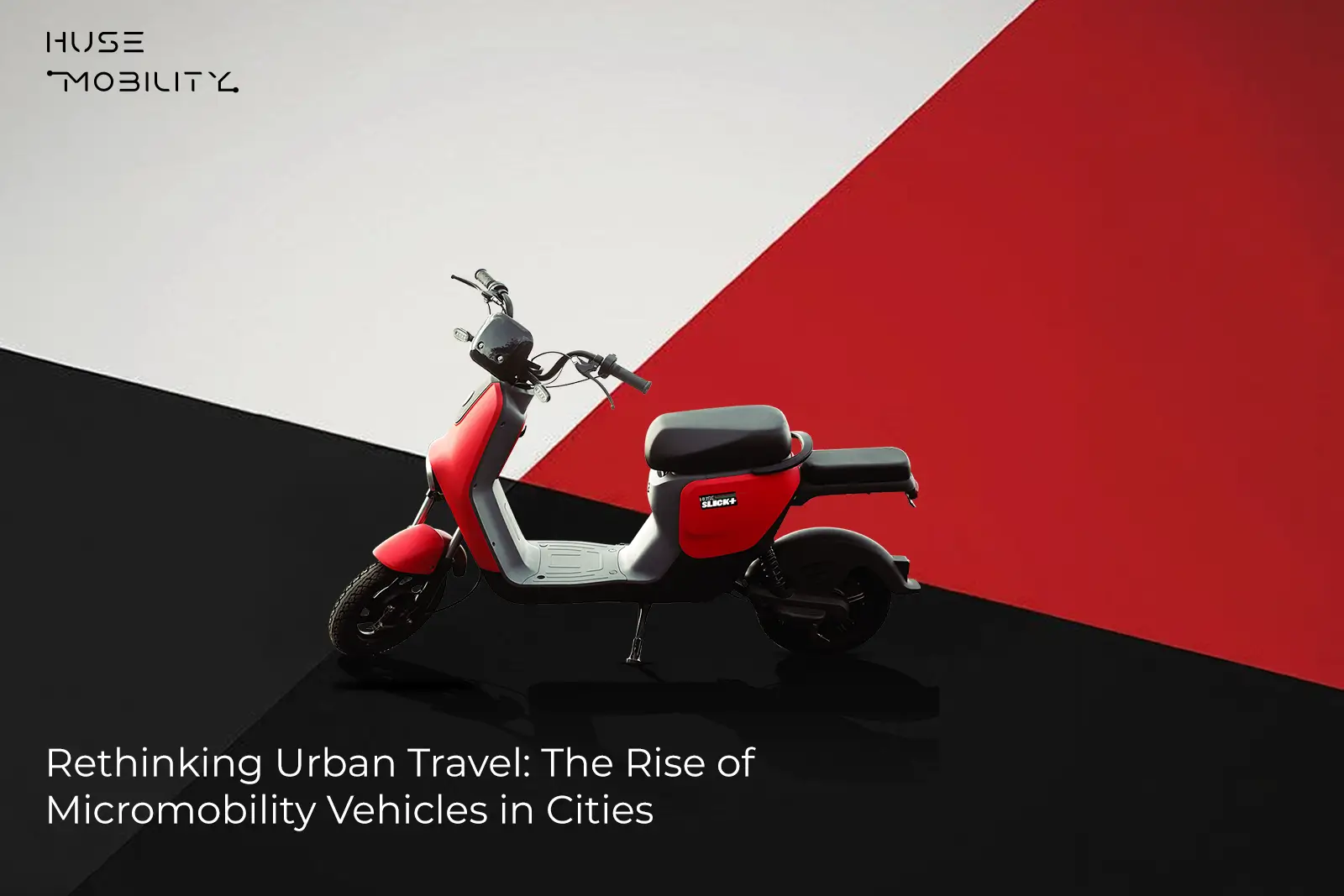
Micromobility cars or scooters are low-speed vehicles that are lightweight and used on short routes. They include e-bikes, or electric scooters which can be collectively owned or privately owned. They provide an alternative option to the conventional vehicle, but in a flexible and environmentally friendly way.
Why Is There a Demand for Micromobility Vehicles in Cities?
There is a growing mobility issue in urban areas, and therefore, cities have to find innovative and more environmentally-friendly ways to address the problem. Micromobility helps fill some of the major loopholes of the conventional transportation system, and hence it becomes a part of contemporary urban planning.
1. Rising Traffic Congestion
As cities continue to grow in population and the number of vehicles owned, they experience serious traffic jams. Here, micromobility helps commuters to avoid traffic and lessen their reliance on personal vehicles.
2. Environmental Issues and Emission Minimization
The conventional vehicles are known to be the primary cause of air pollution and carbon emissions. Micromobility vehicles and electric vehicles in particular cause a lot fewer emissions. So, they become a viable option in cities looking to meet their environmental and climate goals.
3. First-Mile and Last-Mile Connectivity
The process of linking individuals to the public transport system is one of the largest challenges in urban transport. So, a micromobility scooter seals this gap in a very effective way, assisting commuters to travel a short distance more conveniently.
4. Cost-Effective Transportation
The cost of owning and maintaining a car may be high in the city. But, micromobility offers a cheaper alternative, as the operation costs are less with shared mobility features, which do not require ownership.
5. Efficient Use of Urban Space
Cities are faced with a lack of roads and parking spaces. But micromobility vehicles have much smaller areas, which occupy less space, making these vehicles much more demanding.
Future Trends in Micromobility Vehicles
With the changing nature of technology and urban planning, the concept of micromobility is bound to be more connected to the everyday transportation system. It will stimulate new inventions and intelligent mobility solutions.
◉ Connection with Public Transport Systems
Micromobility will serve buses, metros, and trains more often, establishing a smooth network of multi-modal transportation. This will bring a lot of efficiency in commuting and lessen the use of personal cars in the highly populated cities.
◉ The Development of Electric and Battery Technology
Better battery performance and charging stations will increase the performance and range capabilities of micromobility vehicles. This will ensure that they will be more reliable and attractive in terms of long commutes to cities and frequent use.
◉ Emergence of Mobility On-Demand Solutions
Sightseeing Micromobility services are also growing at a huge pace, with convenient access via mobile applications. Dockless and subscription-based models will keep increasing, and a more user-friendly urban transport system will be formed.
◉ Implementation of Smart Technologies
Fleet management, safety, and user experience are being enhanced with the help of IoT, GPS tracking, and AI-driven analytics. The urban mobility systems will optimize routes, demand predictability, and increase operational efficiency through smart technologies.
◉ Development of Autonomous Micromobility
Autonomous micromobility vehicles and city delivery bots may be expected to navigate the city in the future. These innovations have the potential to enhance safety, minimize human intervention, and transform short-range transportation in urban settings.
Conclusion
Micromobility is redefining the way of transportation in urban areas by providing affordable, sustainable, and flexible ways of commuting. With the ever-changing cities, such vehicles will be very important in alleviating congestion and enhancing mobility. So, if you want to be a part of these smart mobility solutions and innovation, partner with Huse Mobility and with the expert, transform the future of city transport.